Jon Hill
AI-Native Product Design | Systems UX | Adaptive Experiences | View Resume
I design complex digital products across enterprise and consumer platforms, using AI as a decision-support tool to improve clarity, scale, and user outcomes.
With 13 years of experience, I lead scalable digital product initiatives through UX research, design systems, and thoughtful decision-making.
FinTech Case Studies (Cetera, Wells Fargo, Sunbit)
FinTech Roles
Cetera, Wells Fargo, Sunbit
Designing Through Complexity, Change, and Constraints
My FinTech experience placed me inside three very different product environments. The products, teams, and challenges changed, but each role required me to quickly understand an existing ecosystem, identify what was missing, and determine how I could contribute without slowing the work around me.
Across these experiences, I worked independently, within newly formed teams, and as part of a very small design team, giving me three different perspectives on what it takes to design financial products when the environment itself is evolving.
Three Companies. Three Stories. Three Different Challenges.
Each environment presented a different kind of constraint. Sometimes I had limited access to the existing design ecosystem. Sometimes the team itself was still finding its structure. And sometimes the challenge was creating consistency while managing more work than a small design team could reasonably solve one screen at a time.
Cetera Wealth
Creating Consistency While Delivering
Core Challenge
How do I introduce structure and consistency without stopping the work that still has to be delivered?
Details
I joined a two-person design team supporting a large volume of work across the organization. Existing product designs lived primarily in Adobe XD and had been created individually over time without a formalized design system.
Similar elements often existed in multiple versions with differences in spacing, sizing, typography, labels, and component structure.
Alongside UX assignments, research, new product work, and marketing requests, I began organizing existing assets, identifying repeatable patterns, and transitioning those patterns into a more standardized Figma design system.
Wells Fargo
Finding Structure Inside a New Team
Core Challenge
How do I keep my own work moving while helping a newly formed team develop the tools and practices it needs to move forward?
Details
I joined a newly formed UX team where responsibilities, leadership expectations, and ways of working were still developing.
At the same time, the organization was transitioning design work from InVision to Figma. Because I already had Figma experience, I became a resource for both the migration work and designers who were still learning the tool.
The challenge became balancing my own product responsibilities with the additional work the team increasingly depended on me to support.
Sunbit Financial
Designing in a Silo
Core Challenge
How do I create something new without unintentionally creating inconsistency with an ecosystem I can’t fully see?
Details
I worked directly with a stakeholder/product owner while independently conducting user interviews, usability testing, and product design.
The biggest challenge was limited visibility into the work of the internal design team. Without access to the existing design system, established patterns, or previous design explorations, I had to make decisions without always knowing what had already been standardized, explored, or validated.

My Process Had to Fit the Environment
Each company required something different from me. At Sunbit, I had to make informed design decisions while working independently. At Wells Fargo, I had to balance product work with helping a new team transition its tools and ways of working.
At Cetera, I had to bring structure to an existing body of work while continuing to support a demanding workload.
Cetera
Creating Structure While Designing
My approach
Audit → Organize → Standardize → Build
With a two-person team, a large workload, and no established design system, I first had to understand what already existed. I reviewed Adobe XD assets, compared similar components, identified inconsistencies, and began establishing reusable patterns while continuing to deliver UX and other design work.
Wells Fargo
Adapting to a Team in Transition
My approach
Understand → Collaborate → Support → Deliver
I joined a newly formed team that was still establishing responsibilities and transitioning from InVision to Figma. Since I already had Figma experience, my process expanded beyond my own assignments to include helping teammates and supporting the transition while continuing my product work.
Sunbit
Researching My Way Through the Unknown
My approach
Research → Explore → Test → Refine
Because I didn’t have visibility into the internal design system or the team’s previous explorations, I relied heavily on user interviews, usability testing, stakeholder collaboration, and iteration to validate my decisions.
I Started Solving for What the Team Needed Too
Across these roles, my responsibilities often expanded beyond the assignment in front of me. Each environment required
something different, working independently, supporting a team through change, or creating structure where it didn’t yet exist.
The work below shows how I responded to those needs through research, product design, iteration, design systems, and collaboration.
Rather than applying the same process everywhere, I adapted how I worked based on the problem, the team, and what needed to move forward.
Cetera
Building Structure
I joined a one-person design team supporting product and marketing needs across the company. While designing new UX experiences and marketing pages, I also inherited years of one-off Adobe XD assets with no established design system, requiring me to balance ongoing delivery with organizing existing patterns, improving consistency, and beginning the transition to a structured Figma design system.
Projects
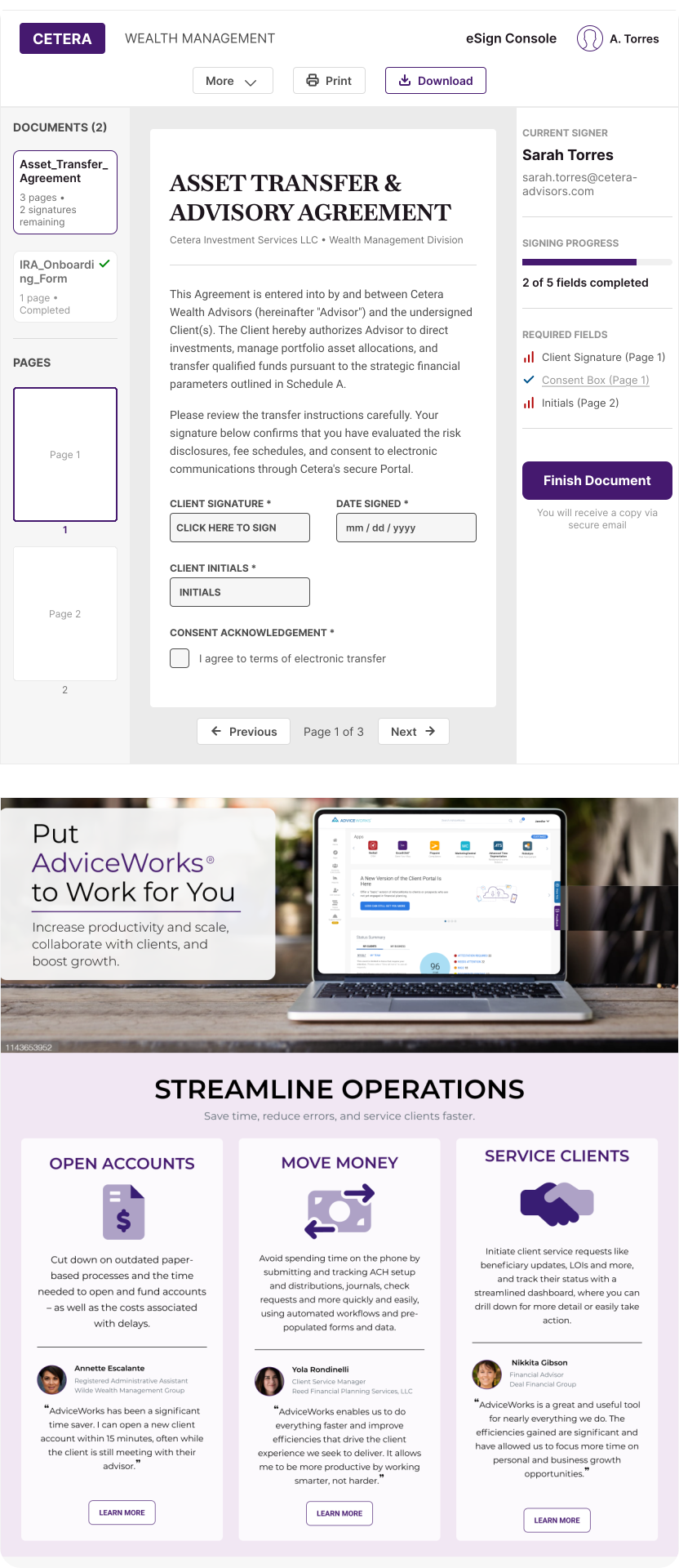
Click To Sign
Designed a branded document presentation and signature experience, applying clearer and more consistent interaction patterns to an existing business workflow.
Marketing Interfaces
Designed marketing experiences alongside my product responsibilities, adapting to different business needs while maintaining consistency across Cetera’s digital experiences.
Design System
Audited existing Adobe XD assets to identify repeated patterns and inconsistencies, then began standardizing components and rebuilding them in Figma to establish a more reusable design system.
Outcome
Click To Sign
Created a easy-to-use, branded document-signing experience that organized the presentation and signature workflow into a more consistent and easily usable digital process.
Marketing Interfaces
Delivered branded marketing experiences alongside product work, maintaining visual consistency while supporting different business and communication needs.
Design System
Established greater consistency across previously fragmented Adobe XD assets by identifying reusable patterns, standardizing components, and beginning their transition into a structured Figma design system.
Sample Work — Original designs cannot be displayed due to contractual restrictions.
Wells Fargo
Supporting a Transition
I joined a newly formed UX team that was still establishing roles and ways of working while transitioning from InVision to Figma. Because I already had Figma experience, I quickly became a resource for the team while managing my own design responsibilities.
Projects
Application Icon Design
Designed application icons while working within an evolving team structure and learning how existing Wells Fargo visual standards should translate into the work.
Design System
Helped transition existing design-system assets from InVision into Figma, applying my existing Figma knowledge while the rest of the team was becoming familiar with the platform.
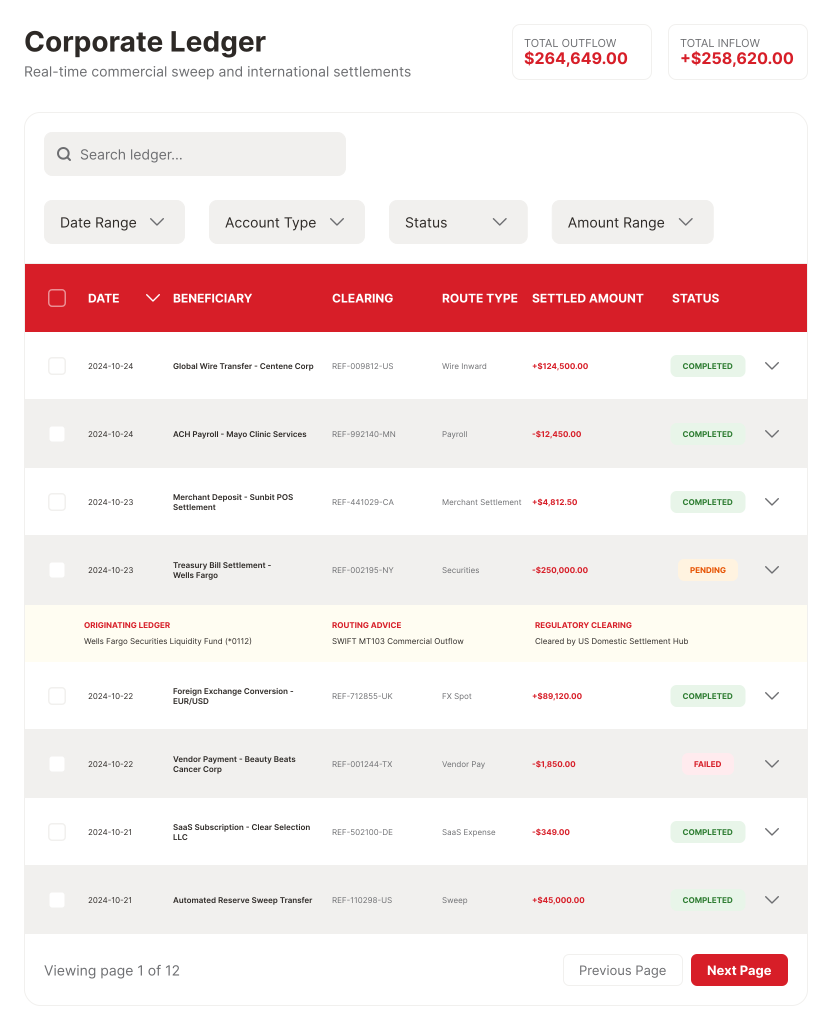
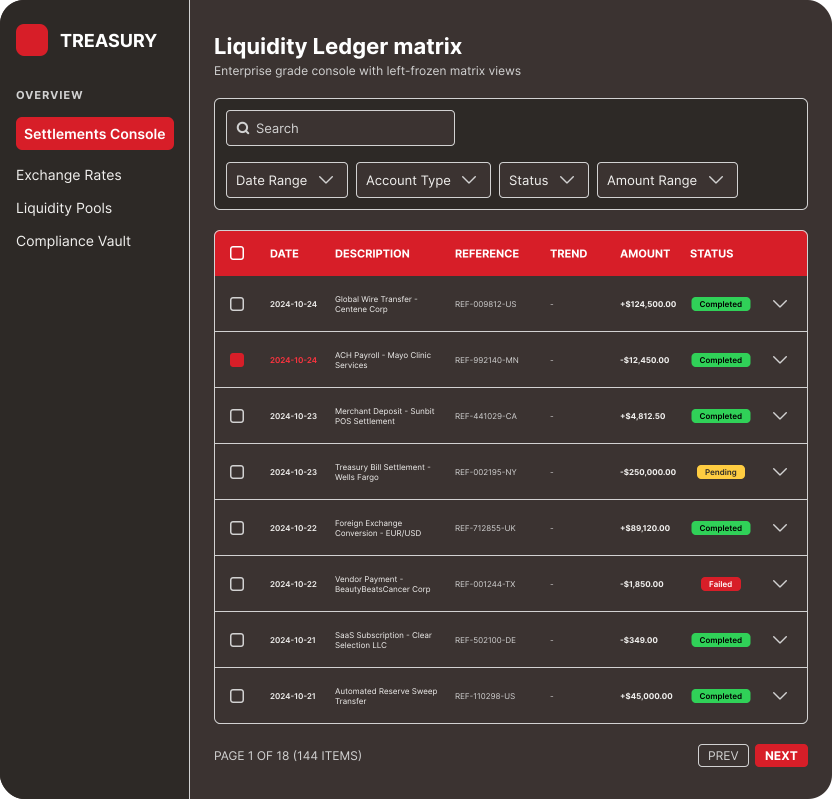
Update Data Tables
Updated existing data-table designs while maintaining established patterns and adapting them for the team’s evolving Figma-based workflow.
Outcome
Click To Sign
Created application icons that aligned with existing Wells Fargo visual standards while supporting consistency across the broader application experience.
Marketing Interfaces
Helped move existing design-system assets from InVision into Figma, giving the team reusable assets within the platform they were transitioning toward.
Design System
Updated existing data-table patterns while preserving established standards and adapting the designs for the team’s evolving Figma workflow.
Sample Work — Original designs cannot be displayed due to contractual restrictions.
Sunbit
Working Independently
Working without direct access to the broader design team strengthened my ability to research, validate, and make informed decisions independently while recognizing where additional context could change the solution.
Projects
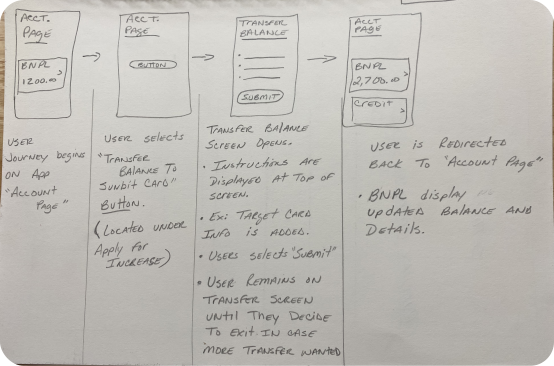
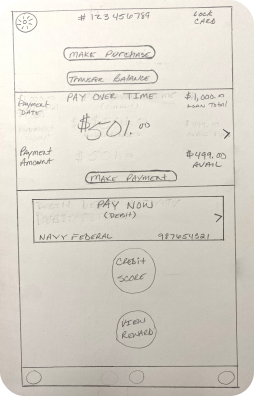
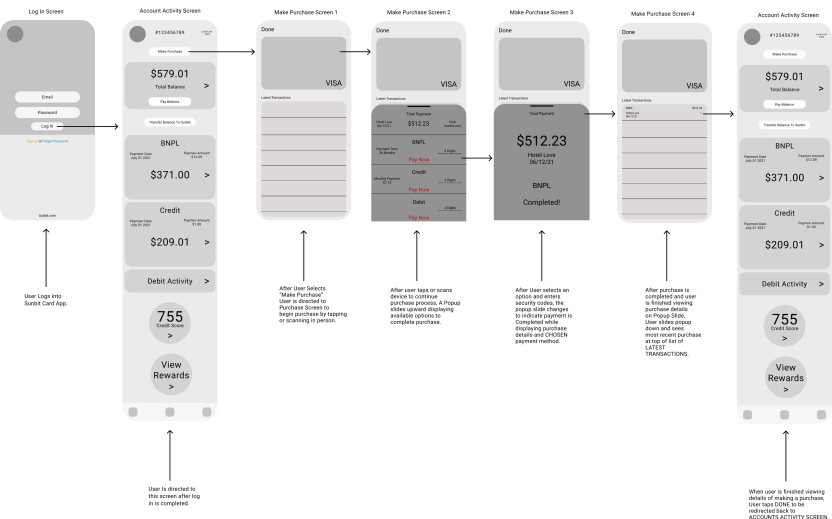
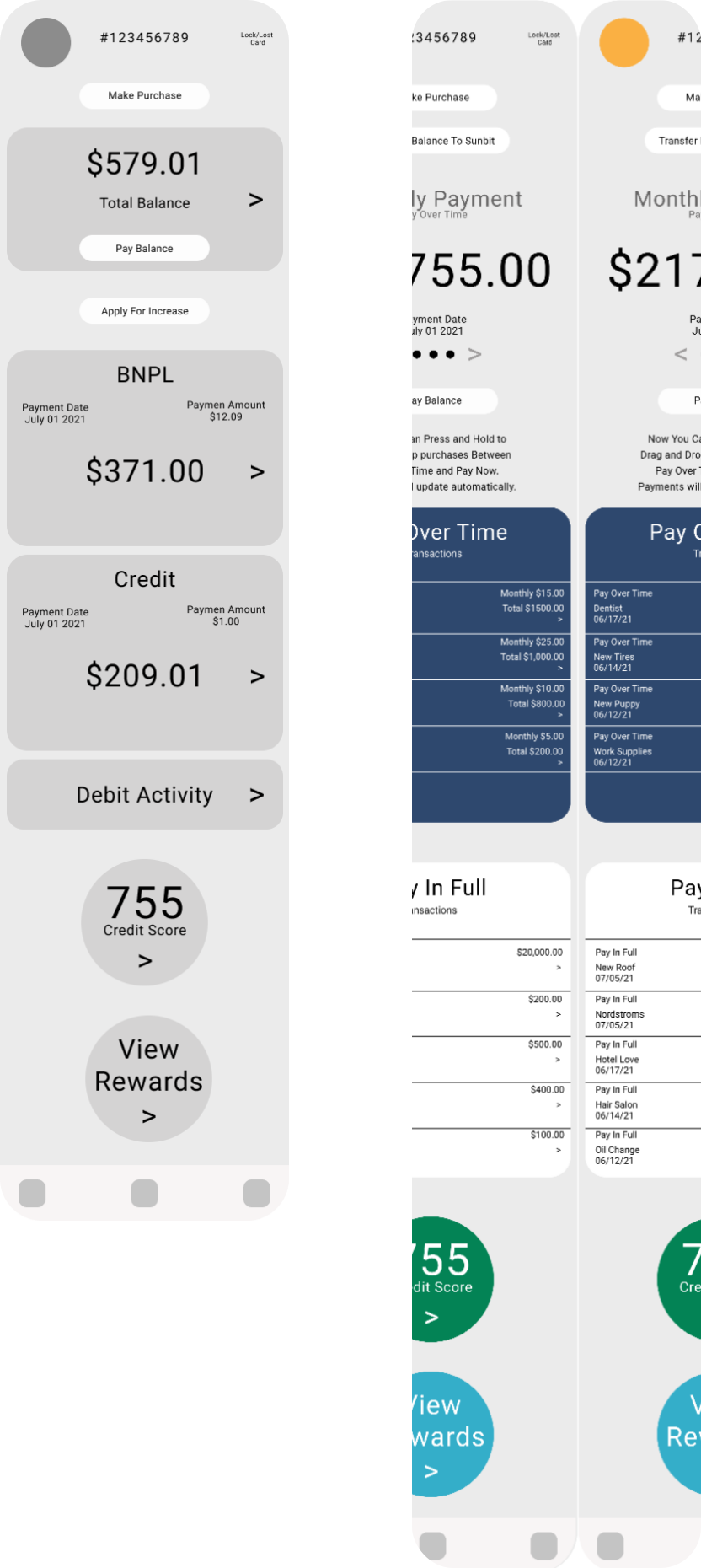
Mobile Banking Application
Cetera’s branded document presentation and signature process application.
Outcome
Mobile Banking Applocation
Used interviews, usability testing, exploration, and iteration to design and refine a consumer financing experience around actual user needs despite limited access to the broader design system and previous product decisions.
Sample Work. Not able to display actual designs due contractual agreement

 How FinTech Helped Me
Working across three different financial organizations taught me how quickly the environment around a design can change the way I need to work. I learned to become comfortable entering unfamiliar systems, finding patterns, asking questions, and creating structure without assuming my way was automatically the right way.
It also strengthened how I work with teams. Sometimes I needed to operate independently. Sometimes I needed to support people around me. And sometimes I needed to help create consistency while still getting the work out the door. Most importantly, these experiences taught me that adaptability isn’t just responding to change it’s understanding the environment well enough to know what should change and what shouldn’t.