

Jon Hill
AI-Native Product Design | Systems UX | Adaptive Experiences | View Resume
I design complex digital products across enterprise and consumer platforms, using AI as a decision-support tool to improve clarity, scale, and user outcomes.
With 13 years of experience, I lead scalable digital product initiatives through UX research, design systems, and thoughtful decision-making.


E-Commerce Design
E-Commerce Design
This is a UX design system demonstration, not a client case study.
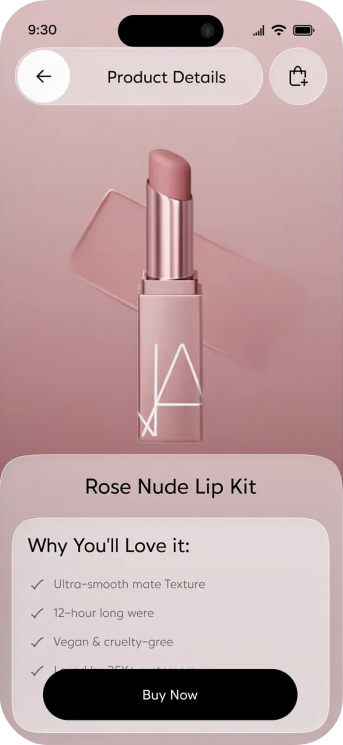
Digital commerce experiences have to understand what consumers are trying to accomplish while making discovery, evaluation, and purchase feel simple. This demonstration explores how I approach MarTech UX through consumer experiences that combine behavioral context, personalization, AI, and thoughtful interaction design to create more relevant customer journeys.
Customer Intent, Relevance, and Engagement
Users visit websites on purpose. They may be exploring, comparing products, responding to a promotion, returning items, or arriving ready to complete a purchase. I design anticipating
consumers’ goals and how simple those goals can be accomplished.
Recognizing users’ goals influences what information is helpful, and where automation and personalization can make the experience more relevant without becoming intrusive.
How I think of all systems is explained atomically in my
Discovery and Decision-Making
Commerce websites and apps can contain thousands of products in various categories while introducing promotions, recommendations, reviews, and supporting content.
I use information architecture to create clear paths from discovery through evaluation and purchase while allowing customers to move naturally between browsing, searching, comparing, and returning to previous activity.
The challenge isn’t giving customers access to everything, it’s helping them understand where to go and how to complete each stage of their journey.

Structuring navigation, search, categories, filters, and recommendations around how customers actually look for products.

Prioritizing product information, pricing, availability, reviews, comparisons, and other details when they become relevant.

Presenting enough information to support the current decision while allowing customers to explore deeper details when needed.

Preserving useful context as customers move between search results, product pages, saved items, carts, and checkout.
A well-structured commerce experience should continuously help the customer answer
“Where am I?” “What are my options?” “What do I need to know?” and “What should I do next?”


Personalization Customer Experience with AI
I don’t think consumers should have to think about whether AI is powering an experience. They should experience the result as greater relevance, easier discovery, and less effort.
AI can use behavioral and contextual signals to help the experience respond as customer intent becomes clearer, but personalization should support the customer rather than manipulate the journey.
Browse → Show Intent → Receive Relevant Adaptation → Evaluate → Continue the Journey
Recently viewed products
Relevant lightweight running options
Available products in the customer’s previously selected size
Useful comparisons between products they considered
Complementary recommendations supporting purchase process
Continuity from the customer’s previous session
effort while keeping customers in control.
Reduce Friction Across the Commerce Journey
Every interaction between discovery and purchase creates an opportunity either to help the customer move forward or make them reconsider.
My approach is to identify where unnecessary effort, uncertainty, or interruption enters the journey and use design to remove it without removing the customer’s ability to make an informed decision.
Conversion matters, but I don’t approach conversion as simply getting someone through checkout faster. A strong commerce experience helps customers move forward because they understand their options, trust the experience, and feel confident about the decision they’re making.
 Conclusion
The best MarTech experiences understand customer intent, reduce friction, and use AI and personalization to make every interaction more relevant.
The goal is simply to create experiences that help customers move forward with confidence while naturally supporting engagement and conversion.